Calcium in Pregnancy: What Women Are Rarely Told (But Deserve to Know)

Pregnancy is often painted in soft colours—glowing skin, baby kicks, happy cravings, and emotional moments. What doesn’t get talked about enough is how much a woman’s body quietly gives away during these months.
A growing baby doesn’t “ask” for nutrients. It simply takes what it needs. And one of the first things it draws from the mother’s body is calcium.
That’s why doctors keep stressing calcium intake, even when everything feels normal. By the time clear symptoms appear, the body has often already paid a price. This isn’t meant to scare you. It’s meant to inform you.
Calcium during pregnancy isn’t optional. It’s essential for both mother and baby.
Why Calcium Is Non-Negotiable During Pregnancy

Let’s be clear: calcium is not a “nice extra.” It’s a basic requirement.
Calcium supports:
🦴 Your Baby’s Bones and Teeth
From early pregnancy, your baby’s skeleton begins forming. Every bit of calcium needed for those tiny bones comes directly from the mother. If intake is low, the baby still gets what it needs by pulling calcium from your bones.
❤️ Proper Development of the Heart, Muscles, and Nerves
Calcium quietly keeps the baby’s heart beating, muscles moving, and nerves communicating. These systems develop simultaneously and depend on a steady calcium supply to grow in balance.
🤰 Healthy Muscle Function, Including the Uterus
Calcium supports smooth muscle movement, including the uterus. It helps reduce cramps, supports proper contractions, and keeps the body functioning steadily throughout pregnancy and delivery.
🧍♀️ Protecting the Mother’s Bones
A mother’s body gives continuously, often without obvious warning signs. Without enough calcium, bones, especially the spine, hips, and joints—begin to weaken. Adequate intake helps preserve strength and supports better recovery after childbirth.
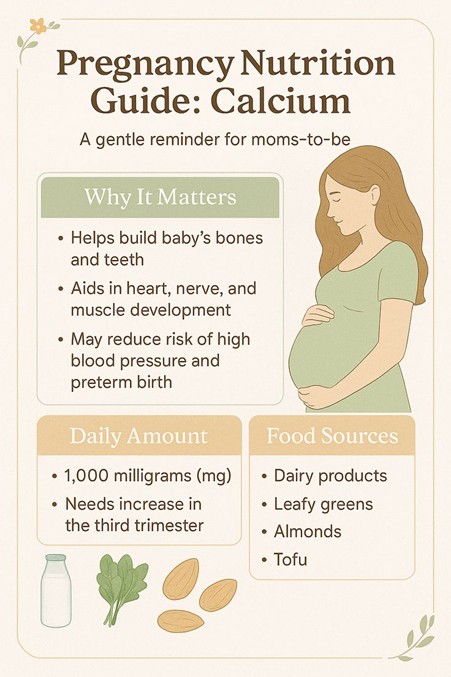
How Much Calcium Do Pregnant Women Actually Need?
According to World Health Organization and Indian Council of Medical Research guidelines:
Pregnant women need 1,000–1,200 mg of calcium daily (from food + supplements)
- In India, diet alone often doesn’t meet this requirement
- Appetite changes, nausea, and food aversions make it even harder
- This is why doctors routinely prescribe calcium tablets during pregnancy
- Dosage may vary based on trimester, diet, and medical history—medical guidance matters
Calcium From Food: Important, But Often Not Enough
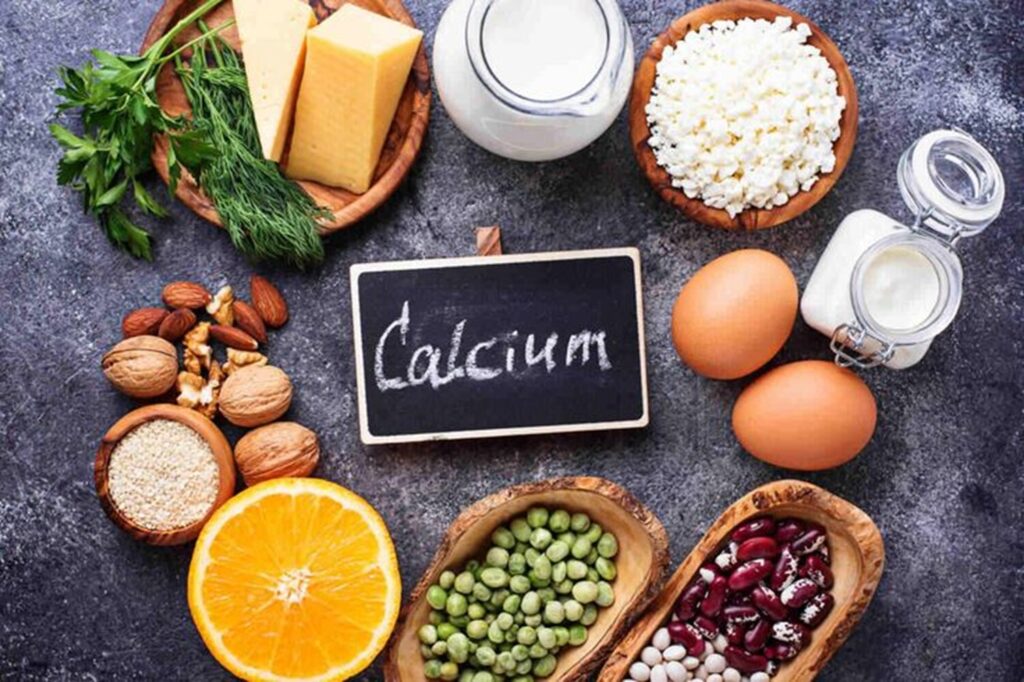
Natural foods absolutely matter. They support overall nutrition and absorption. Common Indian calcium-rich foods include:
- Dairy: Milk, curd, paneer, buttermilk, cheese
- Ragi: One of the richest plant-based calcium sources
- Seeds & nuts: Sesame seeds, almonds, peanuts, chia seeds
- Legumes & soy: Soybeans, tofu, chickpeas
- Green vegetables: Moringa, methi, spinach
- Fruits: Dried figs, oranges
These foods help, but for many women, they still don’t cover the full daily requirement. That gap is not your fault.
Why Doctors Push Calcium Tablets (Especially After the 2nd Trimester)
From the second trimester onward, your baby’s calcium needs increase sharply as bones and teeth develop rapidly. Many women enter pregnancy already low on calcium, without knowing it.
That back pain.
Those leg cramps.
Weak teeth or joint discomfort.
These are often early signs of calcium loss.
Calcium tablets are prescribed to protect the mother while supporting the baby—to prevent silent damage and long-term bone weakness.
Benefits of Adequate Calcium During Pregnancy
- Builds strong bones and teeth for the baby
- Reduces risks like high blood pressure and preeclampsia
- Helps prevent painful leg cramps
- Supports smoother labour contractions
- Aids faster recovery after childbirth
- Protects long-term bone health for both mother and child
Choosing the Right Calcium Supplement

When selecting a calcium tablet during pregnancy, keep these points in mind:
- Check the composition: Calcium with vitamin D improves absorption
- Stick to trusted brands: Quality and testing matter
- Right dosage: Enough to meet daily needs, not exceed them
- Always consult your doctor, especially if you have medical conditions
How to Take Calcium Tablets Correctly
- Take 1–2 tablets daily, preferably after meals
- If taking more than 500 mg/day, split the dose (morning & evening)
- Keep a 2–3 hour gap from iron supplements
- Drink plenty of water
- Continue eating calcium-rich foods alongside
Are Calcium Tablets Safe?
Yes—when taken as prescribed.
Some women may experience mild constipation or bloating, which usually improves with water and fibre intake. Overuse, however, can cause issues like kidney stones or reduced absorption of other minerals.
If you have kidney problems, thyroid issues, or other medical conditions, speak to your doctor before starting supplements.
Consistency—not excess—is the key.
Final Thoughts
Pregnancy is beautiful, but it’s also demanding. Your body is working harder than you realize.
Calcium is one of the simplest yet most powerful ways to protect yourself while giving your baby a strong start. Taking calcium supplements—along with a balanced diet—isn’t about overdoing things. It’s about caring for your body while it cares for new life.
Listen to your doctor. Support your bones. Protect your strength.